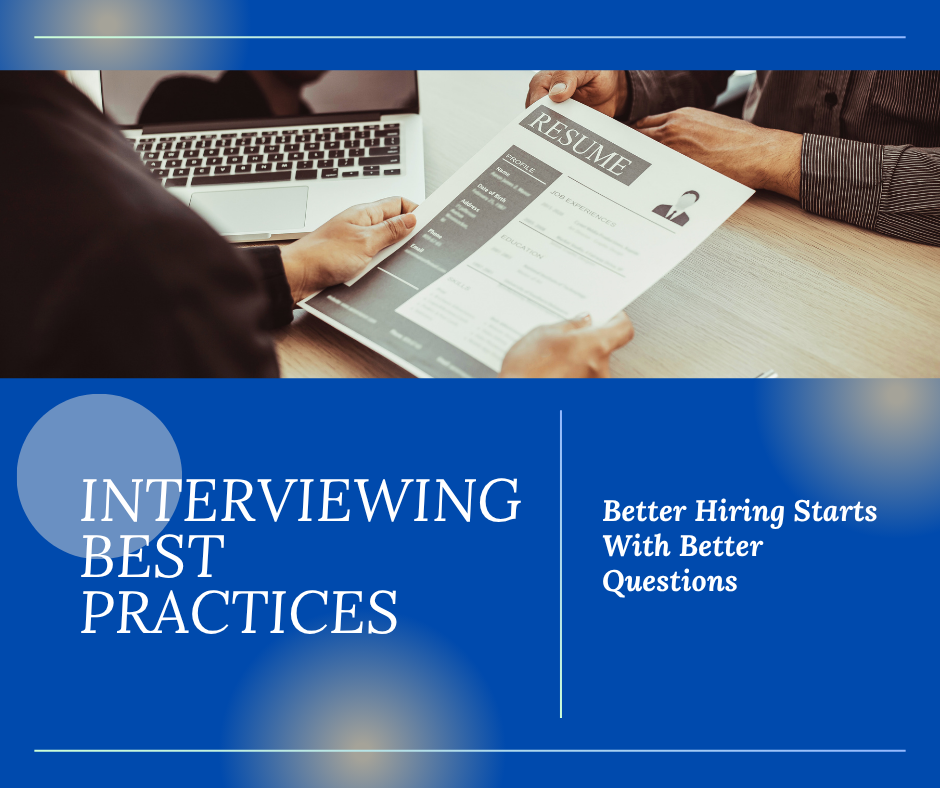
The Equal Employment Opportunity Commission carefully evaluates hiring and interview practices, and inappropriate interview questions can quickly become circumstantial evidence in discrimination claims. Even seemingly harmless “friendly” small talk can create significant legal risk if hiring decisions appear connected to protected characteristics rather than job-related qualifications, competencies, or business needs.
The Real Cost of Poor Interview Practices
For small businesses, one poorly managed interview process can result in:
- Expensive legal settlements and attorney fees
- EEOC complaints, investigations, or audits
- Damage to employer reputation and brand trust
- Loss of highly qualified candidates
- Increased turnover caused by poor hiring decisions
- Reduced workforce diversity, collaboration, and innovation
Perhaps even more damaging, once candidates perceive an organization as biased, exclusionary, or unprofessional, top talent often stops applying altogether.
The Shift From “Culture Fit” to “Culture Add”
Forward-thinking organizations are moving away from hiring for “mirror image” culture fit and focusing instead on “culture add.” Rather than hiring people who simply think, communicate, or behave like existing employees, organizations are increasingly evaluating candidates based on:
- Skills and technical competencies
- Behavioral strengths and professionalism
- Communication and collaboration abilities
- Problem-solving and adaptability
- Alignment with organizational values and mission
- Ability to contribute diverse perspectives, experiences, and ideas
The strongest hiring processes rely on structured behavioral interviewing tied directly to legitimate job requirements and business objectives - not subjective impressions, personal similarities, or “gut feelings.”
How Small Businesses Can Reduce Hiring Risk
Strategic HR practices can significantly reduce hiring risk while improving hiring quality, candidate experience, and long-term workforce success. Important best practices include:
- Training managers on legal and effective interviewing techniques
- Using structured interview guides and standardized questions
- Establishing consistent candidate evaluation criteria
- Focusing interview questions on job-related competencies
- Reducing unconscious bias in hiring decisions
- Documenting hiring decisions consistently and professionally
- Aligning hiring practices with organizational values, compliance standards, and business goals
A simple rule many organizations should follow: if an interview question cannot clearly connect to a legitimate business or job-related requirement, it likely should not be asked.
If your organization would benefit from an HR audit of recruiting, interviewing, and hiring practices, connect with Envision HR Consulting LLC to help identify potential hiring risks, strengthen manager interviewing practices, improve compliance, and build a more structured, inclusive, and legally sound hiring process.